
Canadian winters are tough on vehicles, and one of the most common problems drivers face is white salt stains on car carpets. Snow salt is tracked in on boots and melts into the fibres, leaving behind crusty residue and discolouration. Over time, this buildup can damage carpet fibres, create unpleasant odours, and make the interior look worn. The good news is that with the right approach, you can remove snow salt effectively and keep your car interior looking clean throughout winter.
Why Snow Salt Is Hard to Remove
Snow salt is designed to melt ice quickly, which means it dissolves easily in water. When it dries, it leaves mineral deposits behind. These minerals bond with carpet fibres, especially in fabric mats and footwells. Regular vacuuming alone is not enough because it cannot lift the salt residue once it has dried and settled deep into the carpet.
What You Will Need
Before starting, gather a few basic supplies that most households already have:
- A vacuum cleaner with a hose attachment
- Warm water
- White vinegar
- A clean spray bottle
- Microfibre cloths or clean towels
- A soft bristle brush or old toothbrush
Avoid harsh chemical cleaners unless they are specifically designed for automotive carpets. Strong products can fade colours or weaken fibres.
Step One: Vacuum Thoroughly
Start by removing loose dirt and salt crystals. Vacuum the affected areas slowly and carefully, paying extra attention to the edges and corners of the footwell. This step is important because wetting the carpet before vacuuming can turn dry salt into muddy residue that spreads further into the fibres.
If possible, remove the floor mats and vacuum them separately outside the car.
Step Two: Prepare a Cleaning Solution
Mix equal parts warm water and white vinegar in a spray bottle. Vinegar is effective because it neutralizes salt minerals rather than simply masking the stain. The smell may be strong at first, but it will fade as the carpet dries.

Lightly spray the solution onto the stained areas. Do not soak the carpet, as excess moisture can lead to mildew or lingering odours.
Step Three: Gently Agitate the Carpet
Use a soft bristle brush or toothbrush to gently work the solution into the carpet fibres. Use small circular motions and avoid aggressive scrubbing. You should begin to see the white salt residue dissolve and lift.
This is especially useful during peak winter months when roads are heavily salted. For professional assistance with ongoing snow issues, check out Snow removal in Kitchener for effective services in the region.
Step Four: Blot and Rinse
Once the salt has loosened, blot the area with a clean microfibre cloth or towel. Press firmly to absorb the moisture and dissolved salt. Rinse the cloth frequently in clean water to avoid spreading residue back onto the carpet.
If needed, lightly spray plain warm water onto the area and blot again to remove any remaining vinegar solution.
Step Five: Dry the Carpet Properly
Drying is just as important as cleaning. Leave the car doors open in a dry, ventilated area if weather permits. You can also place a small fan near the footwell to speed up drying.
Avoid driving the car until the carpet is completely dry. Moisture trapped in the fibres can lead to mould or musty smells, especially in cold weather.
Preventing Future Salt Stains
Prevention can save you time and effort throughout the winter season. Consider these simple habits:
- Use heavy duty rubber floor mats during winter
- Shake off boots before getting into the car
- Wipe down mats weekly to prevent buildup
- Keep a small towel in the car to dry wet footwear
Regular maintenance prevents salt from bonding deeply with carpet fibres and makes cleaning much easier.
When to Consider Professional Cleaning
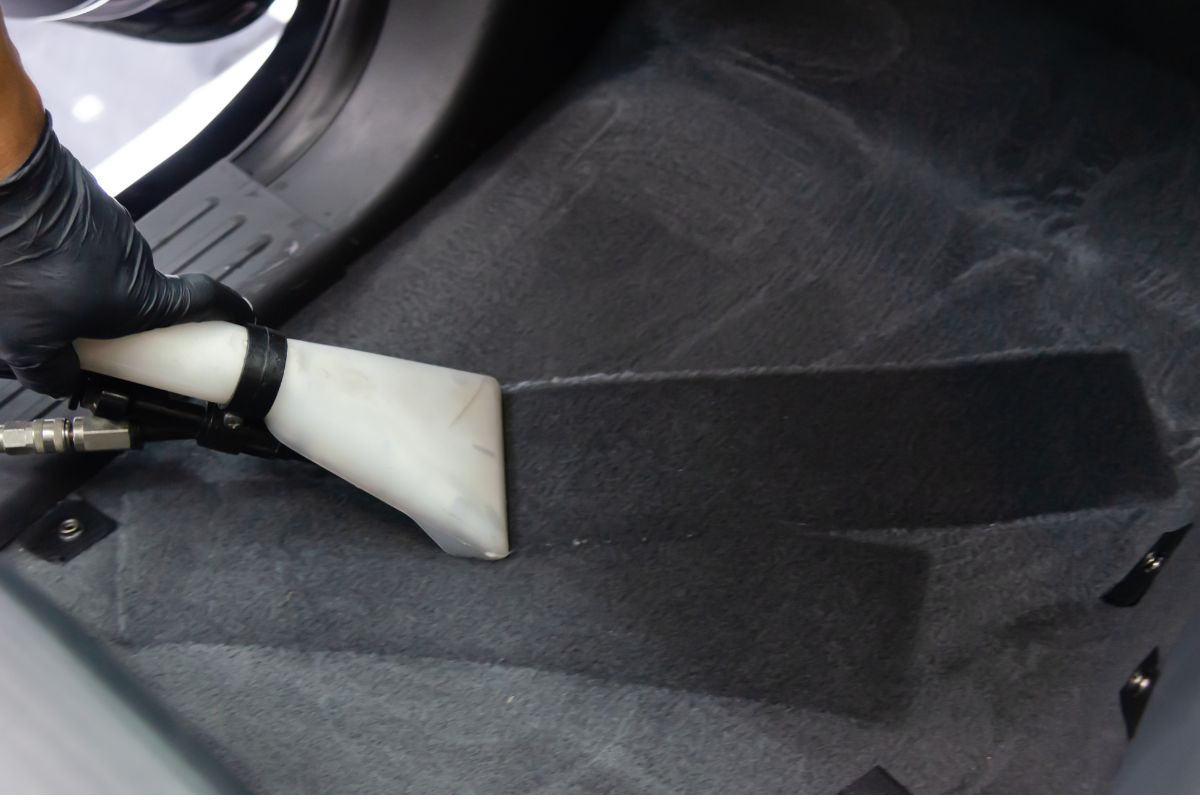
If salt stains are severe or have been left untreated for a long time, professional interior detailing may be worth considering. Deep extraction equipment can remove residue from beneath the surface, restoring both appearance and texture.
Snow salt stains are a common winter issue for Canadian drivers, but they do not have to be permanent. With simple household tools, a gentle cleaning solution, and proper drying, you can remove salt residue safely and effectively. Regular care not only improves the look of your car interior but also helps preserve its value through harsh winter seasons.